Why NFC Scams Are Rising in Malaysia — And Why Smartphone Security Matters More Than Ever
June 12, 2026Most Malaysians use Near Field Communication (NFC) technology every day without even realizing it.
Whether it is tapping a debit card at a mamak stall, paying for groceries using Samsung Wallet, scanning into an office building, or passing through public transport gates, NFC has become a seamless part of daily life. The technology enables quick and convenient “tap-and-go” interactions by allowing devices to exchange information when placed close together.
However, as digital payments become increasingly common, cybercriminals are finding new ways to exploit them.
Recent warnings from authorities worldwide have highlighted a growing trend where scammers combine social engineering tactics with NFC technology to steal money and sensitive personal information from unsuspecting victims.
How NFC Scams Work
For many Malaysians, the scam tactics may sound familiar.
Fraudsters often impersonate bank officers, delivery service representatives, insurance agents, government officials, or customer service personnel. Their objective is usually the same: create urgency, gain trust, and convince victims to take actions they would not normally consider.
In many NFC-related scams, victims are told they are entitled to a refund, compensation payment, or account reimbursement. The scammer then persuades them to install an application or grant remote access to their smartphone under the pretense of helping process the payment.
Once access is obtained, victims may be instructed to activate NFC and place their bank card near their smartphone. While this may appear harmless, it can allow sensitive card information to be captured and potentially used for unauthorized transactions.
Many victims only discover the fraud after funds have already been withdrawn from their accounts.
Unfortunately, the financial loss is often just the beginning.
Because these scams frequently involve malicious applications and remote access software, cybercriminals may also gain access to SMS messages, contacts, passwords, banking verification codes, and other personal data. In many cases, the smartphone itself becomes the primary target.
The Smartphone Has Become the New Front Door
Modern smartphones contain far more valuable information than the average wallet.
They store banking applications, digital payment services, identity documents, work emails, personal photos, passwords, and access to numerous online accounts.
As a result, smartphone security has become just as important as securing one’s home.
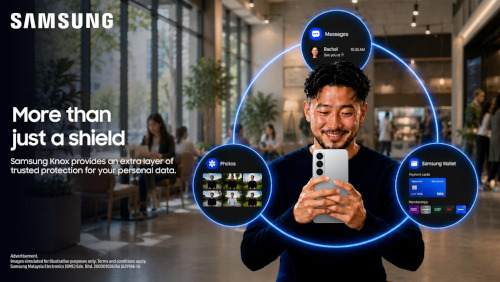
This is where Samsung Knox offers an additional layer of protection.
Unlike traditional security solutions that rely mainly on software, Samsung Knox is integrated directly into Galaxy devices from the hardware level. The platform creates multiple layers of protection designed to help defend against threats before they can cause harm.
Think of it as having a security gate, alarm system, surveillance cameras, and reinforced locks working together instead of relying on a single door lock.
Protection That Starts Before an App Is Opened
One common misconception is that scams only become dangerous once money is transferred.
In reality, the threat often begins much earlier when users install suspicious applications or grant access to unknown individuals.
Samsung Knox continuously monitors devices for signs of tampering or malicious activity. If harmful software attempts to compromise critical parts of the operating system, Knox is designed to help detect and mitigate those threats.
Sensitive information such as passwords, PINs, biometric credentials, and encryption keys are further protected within Samsung Knox Vault, a hardware-based security environment that isolates critical data from the rest of the device.
This additional layer of protection means that even if malicious software is installed, gaining access to the most sensitive information becomes significantly more difficult.
Security for a Digital-First Malaysia
Malaysia’s shift toward a cashless and digitally connected economy continues to accelerate. From buying food at roadside stalls to paying for parking and online services, smartphone-based transactions have become part of everyday life.
The convenience is undeniable.
However, convenience should never come at the expense of security.
While consumers should remain vigilant against suspicious calls, unknown links, and requests to install unfamiliar applications, choosing a smartphone with built-in security features can provide valuable protection against increasingly sophisticated scams.
Cybercriminals are constantly evolving their tactics. As digital threats become more advanced, smartphone security is no longer a luxury feature — it is an essential part of everyday life.
In a world where our phones hold our finances, identities, and personal information, security platforms such as Samsung Knox provide something increasingly important: peace of mind that the device in your pocket is working to protect you, even as scammers continue searching for new ways to break in.